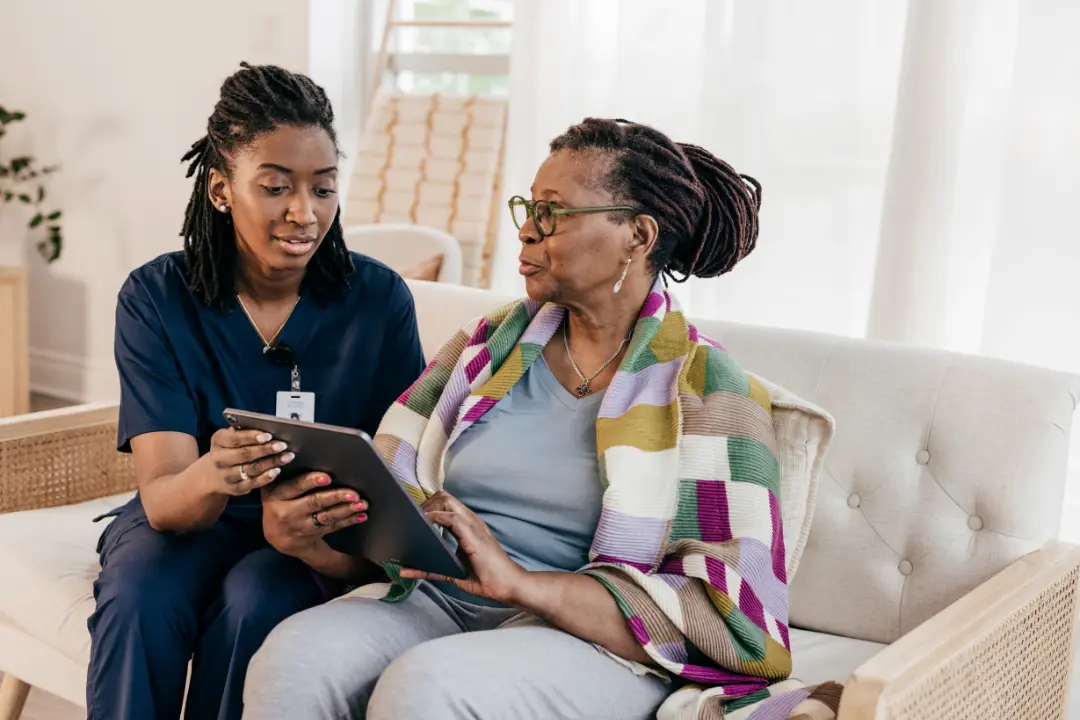
When it comes to caring for loved ones who need assistance, you may have come across the terms personal care and home health care. While both services aim to help individuals maintain a high quality of life, the difference between them can be a bit confusing. In this article, we will explore what each service entails, their key differences, and how you can decide which is best for your needs.
What is Personal Care?
Personal care services focus on helping individuals with their daily activities, especially when they can no longer perform them independently. These services are non-medical in nature and are designed to provide physical and emotional support for people who need assistance due to age, illness, or disability.
Examples of Personal Care Services:
- Assistance with dressing, grooming, and bathing
- Meal preparation and feeding
- Transportation for errands and doctor visits
- Light housekeeping tasks, such as laundry and cleaning
- Companionship and emotional support
Personal care helps individuals maintain their independence in a familiar environment, typically in their own homes. It is mostly aimed at those who do not require any medical interventions but need help with basic day-to-day tasks.
What is Home Health Care?
On the other hand, home health care includes a broader range of services that often require medical expertise. This service is more focused on people who have medical needs and may require treatment, monitoring, or rehabilitation while at home.
Types of Home Health Care Services:
- Skilled nursing care: Nurses provide medical care, such as administering medication, changing dressings, and monitoring health status.
- Physical, occupational, and speech therapy: These therapies help individuals recover or improve functionality after an illness or surgery.
- Home health aide services: Personal care is often provided alongside health care services in this model.
- Medical social services: Counseling and assistance with accessing resources for medical and social needs.
Unlike personal care, home health care includes treatments that only licensed healthcare professionals can administer.
Key Differences Between Personal Care and Home Health Care
Understanding the key differences between personal care and home health care is crucial when deciding which type of service to choose.
Level of Medical Care
- Personal care does not involve medical treatments or therapies. It’s focused on assistance with daily living.
- Home health care, however, involves skilled medical services and therapies that are provided by healthcare professionals like nurses, therapists, and aides with medical training.
The Skillset of Caregivers
- Personal care providers, also known as personal care aides, are trained to assist with non-medical activities, but they are not trained to provide medical care.
- Home health care providers include nurses and therapists, who are highly trained and licensed to perform medical tasks like administering medication, monitoring vital signs, and providing physical therapy.
Duration and Frequency of Services
- Personal care is usually an ongoing service for as long as an individual needs help with daily tasks. Services are provided on a flexible schedule, from a few hours a day to full-time care.
- Home health care is typically required for a set period and may involve more intensive care, such as after surgery or for chronic illnesses. The frequency of services can vary depending on the medical condition of the person.
Personal Care Services in Detail
Personal care services are generally designed for people who need help with daily activities but do not have major medical issues. These services can include help with tasks like:
- Bathing, grooming, and personal hygiene
- Dressing and undressing
- Meal preparation and feeding
- Assistance with mobility and transferring
- Companionship to help reduce feelings of isolation
While these services aren’t medically necessary, they provide vital support that allows individuals to continue living independently in the comfort of their own homes.
Home Health Care Services in Detail

Home health care encompasses medical services provided by skilled professionals. Some of the services may include:
- Skilled nursing: Administering medications, wound care, and managing chronic conditions like diabetes.
- Physical, occupational, and speech therapy: Helping patients recover after surgery or injury, or improving their ability to perform daily tasks.
- Home health aides: Assisting with daily living tasks under the supervision of a nurse or physician.
These services are typically provided to individuals who are recovering from an illness, injury, or surgery and need medical oversight during their recovery process.
Which Option is Right for You?
Choosing between personal care and home health care depends on the specific needs of the individual. Some important factors to consider include:
- Medical needs: If the person requires ongoing medical treatment, home health care may be necessary.
- Degree of independence: If the individual just needs help with personal tasks and is otherwise healthy, personal care may suffice.
- Duration of care: Home health care is often short-term, while personal care may be long-term.
Costs: Comparing Personal Care and Home Health Care
The cost of these services can vary significantly. Personal care services are generally more affordable than home health care, as they do not involve medical treatments. However, home health care may be covered by insurance plans like Medicare, depending on the condition being treated.
How to Find the Right Service Provider
When choosing a provider for either service, it’s important to research and vet potential agencies. Ask questions about their training, experience, and whether they are licensed or accredited.
- For personal care, consider how well the agency matches the individual’s specific needs.
- For home health care, ensure that the agency employs licensed healthcare professionals and has a track record of quality care.
Challenges in Personal Care and Home Health Care
Both personal care and home health care come with challenges. Caregivers often face burnout due to the emotional and physical demands of their job. Additionally, families may struggle to navigate insurance, payment options, and service coordination.
The Role of Technology in Personal Care and Home Health Care
Both fields have seen significant advancements through the use of technology. For example:
- Telemedicine allows doctors to consult with patients remotely.
- Remote monitoring tools help track vital signs for patients receiving home health care.
- Personalized health apps are becoming more common in both fields to help track daily routines or medication schedules.
How Both Services Can Complement Each Other
In many cases, personal care and home health care can work together to provide comprehensive care. For example, an individual might receive home health care for medical treatment while also benefiting from personal care for daily activities like meal prep and companionship.
The Future of Personal Care and Home Health Care
As the population ages, the demand for both personal care and home health care services will likely increase. New technologies, such as smart home devices and telemedicine, will likely enhance the way care is delivered.
Conclusion
Understanding the difference between personal care and home health care is essential for ensuring that individuals get the proper level of assistance. Personal care is ideal for those who need help with daily activities but do not have medical needs, while home health care is best for those requiring medical supervision.
FAQs
1. Can personal care services be covered by insurance?
Some personal care services may be covered by long-term care insurance or Medicaid, depending on the state and policy.
2. Do I need a doctor’s referral to get home health care?
Yes, in most cases, a doctor’s referral is required to qualify for home health care services.
3. How can I tell if my loved one needs personal care or home health care?
If they need medical assistance or therapies, home health care is the better option. If they only need help with everyday activities, personal care may be sufficient.
4. Are personal care and home health care services available 24/7?
Both services can be customized to fit the individual’s needs, so 24/7 care is available if required.
5. How can I find the best provider for personal care or home health care?
Do your research, ask for recommendations, and check reviews and accreditations before choosing a provider.