What Is Personal Care?
Personal care refers to the daily activities that individuals perform to maintain hygiene, appearance, and general well-being. For seniors, personal care can involve assistance with activities such as bathing, grooming, dressing, and toileting. These tasks may become more difficult as they age due to physical or cognitive limitations.
Personal care differs from medical care, which focuses more on treating specific health issues or medical conditions. While medical care addresses illnesses and injuries, personal care is all about supporting the daily living activities that help seniors maintain their dignity and independence.
Physical Benefits of Personal Care for Seniors
One of the most important aspects of personal care is its role in promoting physical health. Regular grooming, bathing, and hygiene routines help seniors stay clean and healthy, preventing skin infections, irritations, and other health issues.
In addition, physical activities like mobility exercises or stretching routines, which can be incorporated into personal care routines, improve flexibility and help maintain muscle strength. With proper care, seniors are less likely to experience joint pain, stiffness, or immobility, which can be common as people age.
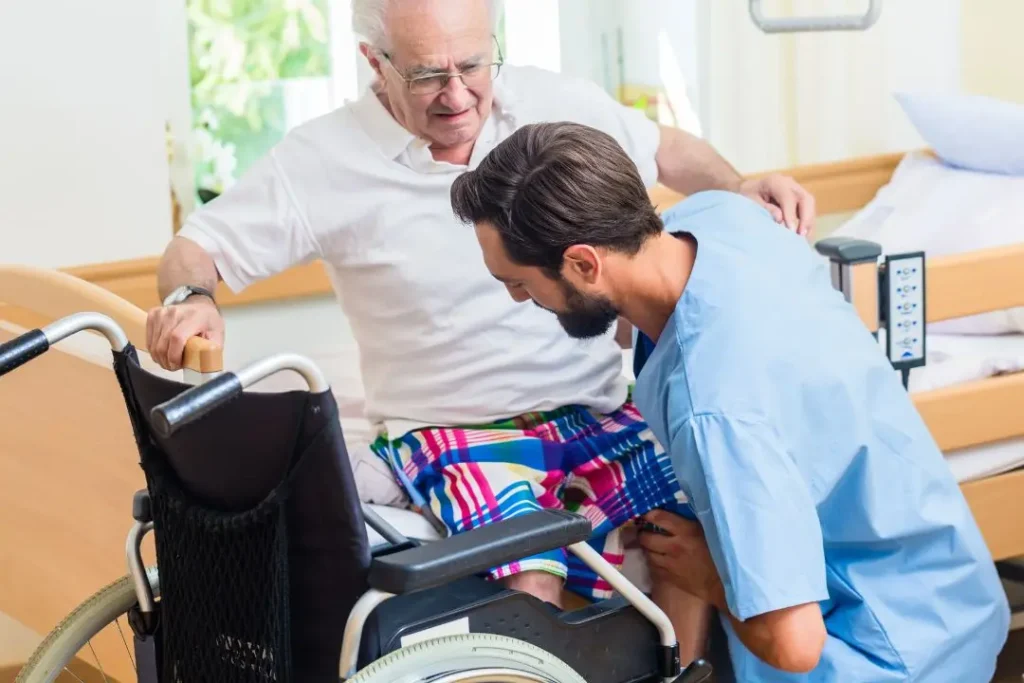
Mental Health and Personal Care
Mental health is closely tied to personal care routines. Taking care of oneself, both physically and emotionally, helps boost confidence and improve overall mood. Personal care can reduce feelings of stress, anxiety, and depression that many seniors experience, especially when they feel unable to care for themselves.
The act of maintaining good personal hygiene and dressing in clean, comfortable clothes can have a positive effect on a senior’s emotional well-being. It helps them feel more in control of their life and fosters a sense of dignity and self-respect.
The Role of Hygiene in Personal Care
Good hygiene is vital for seniors, as it plays a significant role in preventing a range of health issues, such as infections, skin conditions, and bad odor. Maintaining regular hygiene practices, such as showering, brushing teeth, and washing hands, not only helps seniors feel clean but also reduces the risk of illnesses.
However, as seniors age, they may face challenges with personal hygiene due to reduced mobility or memory problems. Family caregivers and professional aides can help ensure that seniors are receiving the proper hygiene care they need, and adjustments to their routine can be made based on their specific needs.
Personal Care and Independence
Maintaining as much independence as possible is a critical aspect of personal care for seniors. Activities like dressing, bathing, and grooming should be encouraged, even if assistance is required. Allowing seniors to perform these tasks on their own, within their abilities, fosters a sense of accomplishment and confidence.
When seniors are able to remain as independent as possible, they are more likely to enjoy a higher quality of life. Providing the right amount of support, without taking over entirely, helps balance safety with autonomy.
Personal Care and Social Interaction
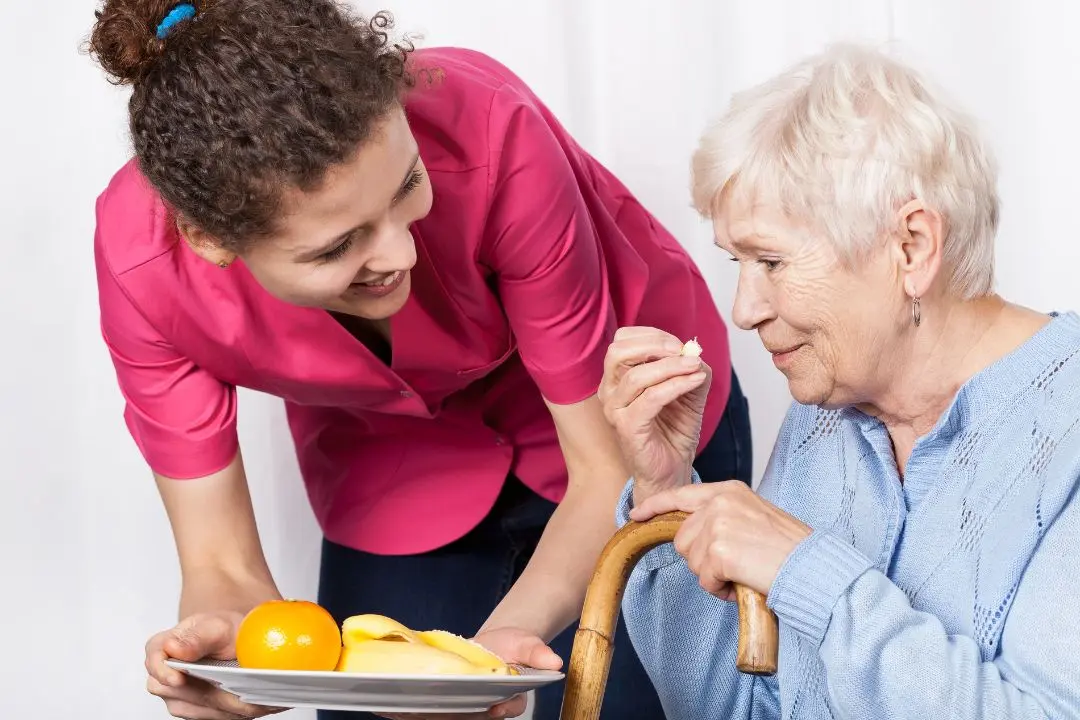
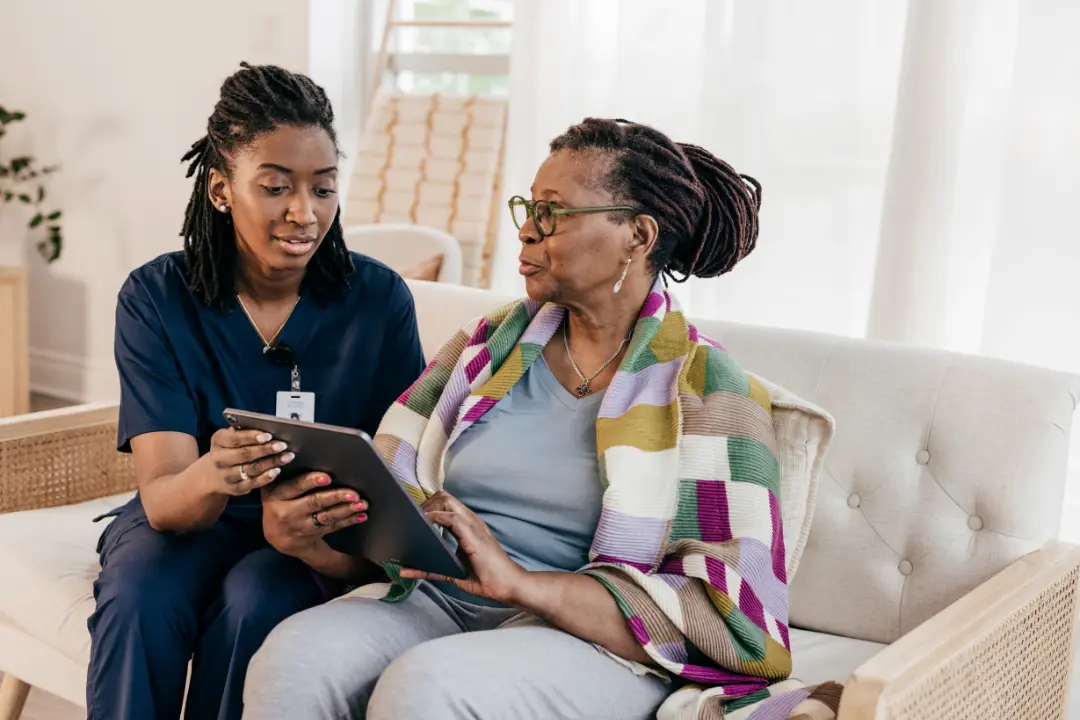
Social interaction is essential for a senior’s emotional well-being. Regular visits from family members, caregivers, or friends during personal care routines can alleviate loneliness and provide a sense of companionship. A positive relationship with a caregiver can have a profound impact on the emotional health of seniors, offering them a chance to share experiences, laugh, and maintain social connections.
Social isolation can negatively affect mental health, contributing to feelings of depression and anxiety. Personal care routines offer a natural opportunity for social engagement, reducing the risk of loneliness.
How Personal Care Supports Healthy Aging
Healthy aging is about managing and reducing the risks associated with aging. Personal care plays a central role in preventing the decline of physical and cognitive functions. For instance, regular bathing, skin care, and mobility exercises reduce the risk of developing chronic conditions such as arthritis, diabetes, and heart disease.
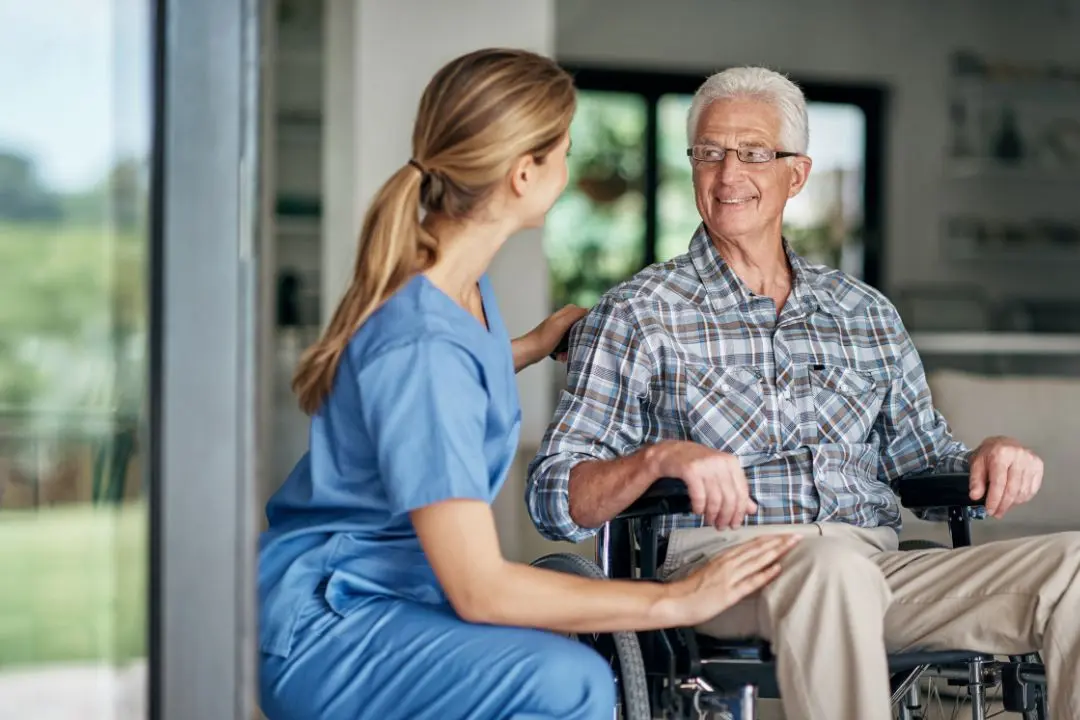
In addition, personal care routines can help prevent falls, which are a major risk for older adults. Seniors who receive assistance with mobility and daily tasks are less likely to experience accidents, keeping them safer and more independent.
Types of Personal Care Services for Seniors
There are several types of personal care services available for seniors, depending on their needs. These can range from basic assistance with daily tasks to more intensive care for those with serious health issues.
- In-home personal care – Caregivers come to the senior’s home to provide assistance with activities of daily living, such as bathing, dressing, and cooking. This option allows seniors to remain in the comfort of their own homes.
- Assisted living communities – For seniors who need more support than can be provided at home, assisted living communities offer a range of services that promote independence while providing help with personal care and other daily activities.
Tips for Family Caregivers
Caring for a senior loved one can be rewarding but also physically and emotionally draining. Family caregivers should make sure to take care of their own well-being by practicing self-care and seeking support when needed. Simple tips like setting up a consistent care schedule, communicating openly with the senior, and allowing them to maintain as much independence as possible can help create a positive caregiving experience.
When to Seek Professional Help
Sometimes, professional assistance is necessary to ensure that a senior’s personal care needs are met properly. Signs that it may be time to seek professional help include difficulty managing daily tasks, significant weight loss or gain, confusion, or frequent falls. A professional caregiver can provide expertise and ensure that seniors are receiving the best possible care.
Common Myths About Personal Care for Seniors
There are several misconceptions about personal care for seniors. Some people believe that older adults don’t need as much assistance with personal care because they’re capable of doing it themselves. However, many seniors face physical or cognitive challenges that make it difficult to manage personal care alone.
It’s also a common myth that personal care services are only for seniors with serious medical conditions. In reality, personal care is about supporting seniors in their everyday lives, helping them maintain dignity and independence, regardless of their health status.
The Future of Personal Care for Seniors
As the senior population continues to grow, personal care is evolving to meet the changing needs of older adults. Technological advancements, such as remote monitoring systems and smart devices, are revolutionizing the way personal care is delivered. These innovations allow seniors to receive more personalized care while maintaining greater independence.
Conclusion
Personal care is a vital component of senior well-being. By helping seniors maintain their hygiene, independence, and social connections, personal care enhances both physical and mental health. Whether through in-home care or professional assistance, the right personal care services can make all the difference in a senior’s quality of life.
FAQs
1. What are the main activities involved in personal care for seniors?
Personal care activities include bathing, grooming, dressing, toileting, and assistance with mobility or meal preparation.
2. Can personal care help prevent falls?
Yes, personal care helps by ensuring seniors receive support with daily tasks and mobility, which can reduce the risk of falls and accidents.
3. How does personal care impact mental health in seniors?
Personal care routines promote emotional well-being by reducing stress, anxiety, and feelings of loneliness, fostering a sense of dignity and self-worth.
4. When should I consider professional personal care for my elderly loved one?
If your loved one is struggling with daily activities, experiencing cognitive decline, or having frequent falls, it may be time to seek professional help.
5. Is personal care only necessary for seniors with health conditions?
No, personal care is essential for all seniors, regardless of health conditions, to maintain independence, dignity, and overall well-being.